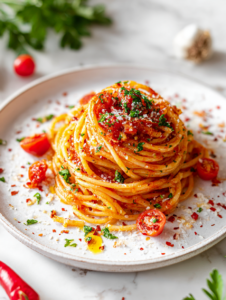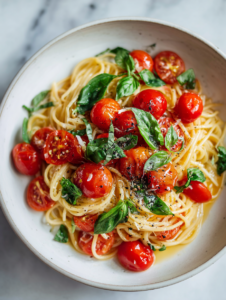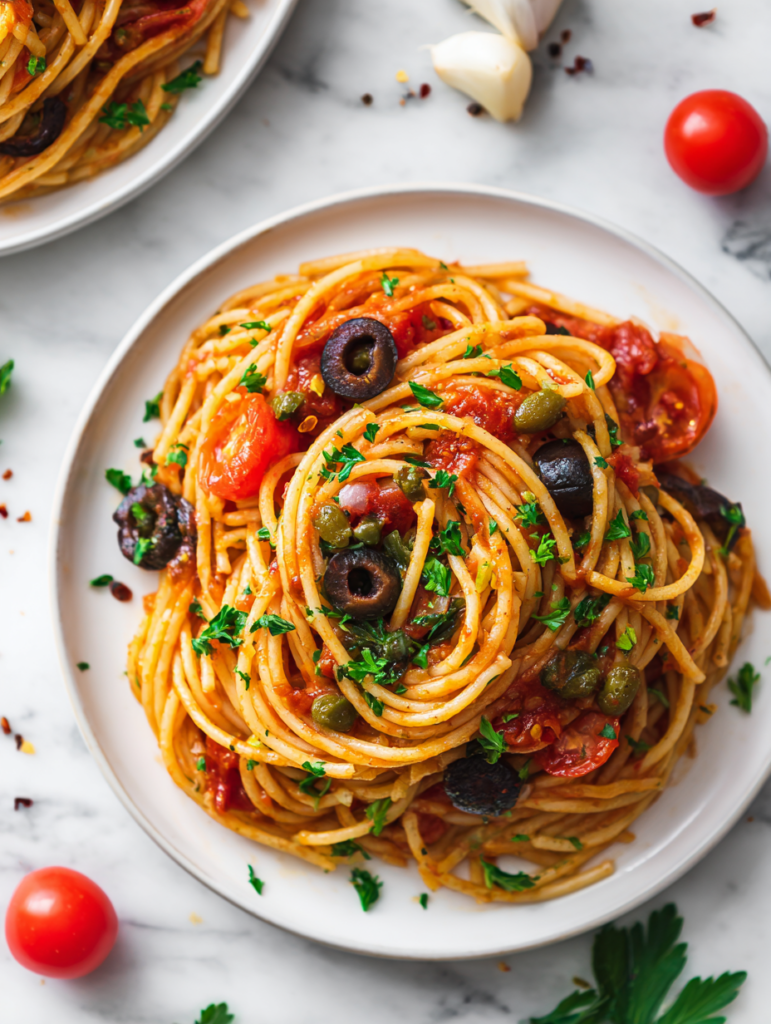
This vegan Puttanesca is my go-to for those nights when I need something quick, bright, and satisfying. It’s a dish that transforms pantry staples—canned tomatoes, olives, capers—into something lively without fuss. No meat, no fuss, just bold flavors that feel like a little celebration in every bite.
What I love most is how it revives me after a hectic day. The aroma of garlic and oregano sizzling in olive oil fills my kitchen, teasing my senses. It’s a reminder that simple ingredients, thrown together with a bit of care, can turn into something that feels downright indulgent, even on a weeknight.
Focusing on how this vegan Puttanesca can be a quick, revitalizing weeknight dinner that transforms pantry staples into a lively, comforting dish without sacrificing bold flavors or traditional charm.
The story behind this recipe
- This dish came from a night when I was craving something bold but didn’t want to spend hours in the kitchen. I remembered how my Italian friends used to throw together simple, punchy pasta with just a handful of pantry items—olive oil, garlic, olives, tomatoes—and it always felt like a little rebellion against the fancy, complicated stuff. That rush of flavor, that quick turnaround, stuck with me.
- One evening, I threw together a vegan version using what I had—no anchovies, no cheese—but kept the essence vibrant and sharp. It was a slapdash moment, but the result was so lively it became a regular. I love how it turns a handful of humble ingredients into a dish that feels like a little secret—something you whip up when you need comfort, speed, and a punch of flavor.
- story_type
Key Ingredients Breakdown
- Olive oil: I like it extra virgin, with a peppery kick that wakes up the garlic. Feel free to use a milder oil if you prefer a softer aroma.
- Garlic: I always use fresh, crushed just before frying. It releases a fragrant, nutty aroma that’s essential. Skip it if you’re sensitive—just be sure to add a little garlic powder for depth.
- Canned tomatoes: I opt for fire-roasted for a smoky punch, but regular crushed tomatoes work fine. Look for something with a rich, bright color—freshness shows in the vibrancy.
- Capers: I love the briny pop they bring, almost like a little explosion of flavor. Rinse them well if you want less salt, or keep the brine for more punch.
- Black olives: I prefer pitted kalamata for their meaty texture and deep flavor. Slicing them releases their salty, umami richness—don’t skimp on them.
- Red pepper flakes: I add a pinch for heat, but adjust based on your spice tolerance. It’s the little spark that makes the dish feel alive, so don’t hold back if you like it fiery.
- Fresh basil: I tear it right before tossing in, releasing a sweet, aromatic scent. If you don’t have fresh, a good pinch of dried basil adds some warmth without the vibrancy.
Spotlight on key ingredients
Olive oil:
- I love a robust, peppery extra virgin that sizzles and releases a fragrant aroma, but feel free to use a milder oil if you prefer a softer scent in your sauce.
- Garlic: I always crush fresh cloves just before adding—its nutty, pungent aroma is essential. If you’re sensitive, garlic powder works, but it won’t have the same vibrant burst.
Canned tomatoes and capers:
- Canned tomatoes: I prefer fire-roasted for a smoky, complex flavor, but bright, regular crushed tomatoes can brighten the dish if that’s what you have on hand.
- Capers: Their briny, punchy flavor pops when rinsed well. Keep some in the brine if you want a more intense saltiness, or rinse for a milder taste that still adds depth.
Notes for ingredient swaps
- Olive Oil: Use toasted sesame oil for a nutty twist, but it will introduce a more pronounced aroma. Stick to extra virgin for classic flavor.
- Canned Tomatoes: Fire-roasted adds smoky depth, but regular crushed tomatoes keep it bright and fresh. Fresh tomatoes can be used in season, chopped fine.
- Capers: Rinse thoroughly to reduce saltiness, or keep brine for a more pungent, briny punch—your choice based on salt preference.
- Black Olives: Kalamata are meaty and rich; green olives are milder and less intense but still work well. Pitted makes prep quicker.
- Red Pepper Flakes: Adjust amount for heat; substitute with a dash of hot sauce or fresh chili for different spice profiles. Skip if you prefer mild.
- Fresh Basil: Torn basil releases more aroma; dried basil is milder, so add a little more to compensate. Fresh adds brightness and vibrancy.
- Pasta: Gluten-free or chickpea pasta for alternative textures and flavors; cooking times may vary, so check for al dente.
Equipment & Tools
- Large skillet: To cook the sauce evenly and develop flavors.
- Wooden spoon: For stirring and preventing sticking.
- Sharp knife: To slice olives and chop garlic.
- Pot for pasta: To cook pasta to the right texture.
Step-by-step guide to vegan Puttanesca
- Gather your equipment: a large skillet (preferably non-stick), a wooden spoon, and a sharp knife. Set your stove to medium-high (~200°C / 392°F).
- Heat 2 tablespoons of olive oil in the skillet. When shimmering and fragrant (about 1 minute), add 4 minced garlic cloves. Sauté until golden and aromatic, about 30 seconds. Watch for a nutty smell—if it burns, lower the heat.
- Add 1 can (400g) of fire-roasted crushed tomatoes. Stir and cook for 5 minutes until the sauce thickens slightly, bubbling and fragrant with smoky undertones. If it splatters, reduce heat or cover briefly.
- Stir in 1/4 cup pitted kalamata olives, sliced, and 2 tablespoons capers, rinsed. Cook for another 2 minutes until olives soften and release flavor. Taste and adjust salt if needed—remember, capers are salty.
- Sprinkle in 1 teaspoon red pepper flakes (or more if you like heat) and 1 teaspoon dried oregano. Cook for 1 minute until spices bloom, filling the kitchen with a fragrant, spicy aroma. If overly spicy, add a splash of coconut milk or plant-based cream.
- Meanwhile, cook 300g of spaghetti or your preferred pasta in boiling salted water (~1 liter, ~10 minutes) until al dente. Drain, reserving a cup of pasta water.
- Toss the cooked pasta into the sauce, adding a splash of pasta water if needed to loosen. Stir in a handful of torn fresh basil and heat through for 1 minute. The sauce should cling to the noodles with a vibrant, oily sheen and a spicy, smoky aroma.
- Remove from heat. Rest for 1 minute to let flavors meld. Plate immediately, garnished with extra basil or olives if desired. Drizzle with a little more olive oil for shine and richness.
Toss the pasta with sauce, let sit for 1 minute for flavors to meld. Finish with a drizzle of olive oil and fresh basil. Serve immediately while hot and aromatic.
How to Know It’s Done
- Sauce is bubbling and fragrant, with a rich, smoky smell.
- Olives are softened but not mushy, with a briny aroma.
- Pasta is coated evenly and has a slight bite (al dente).
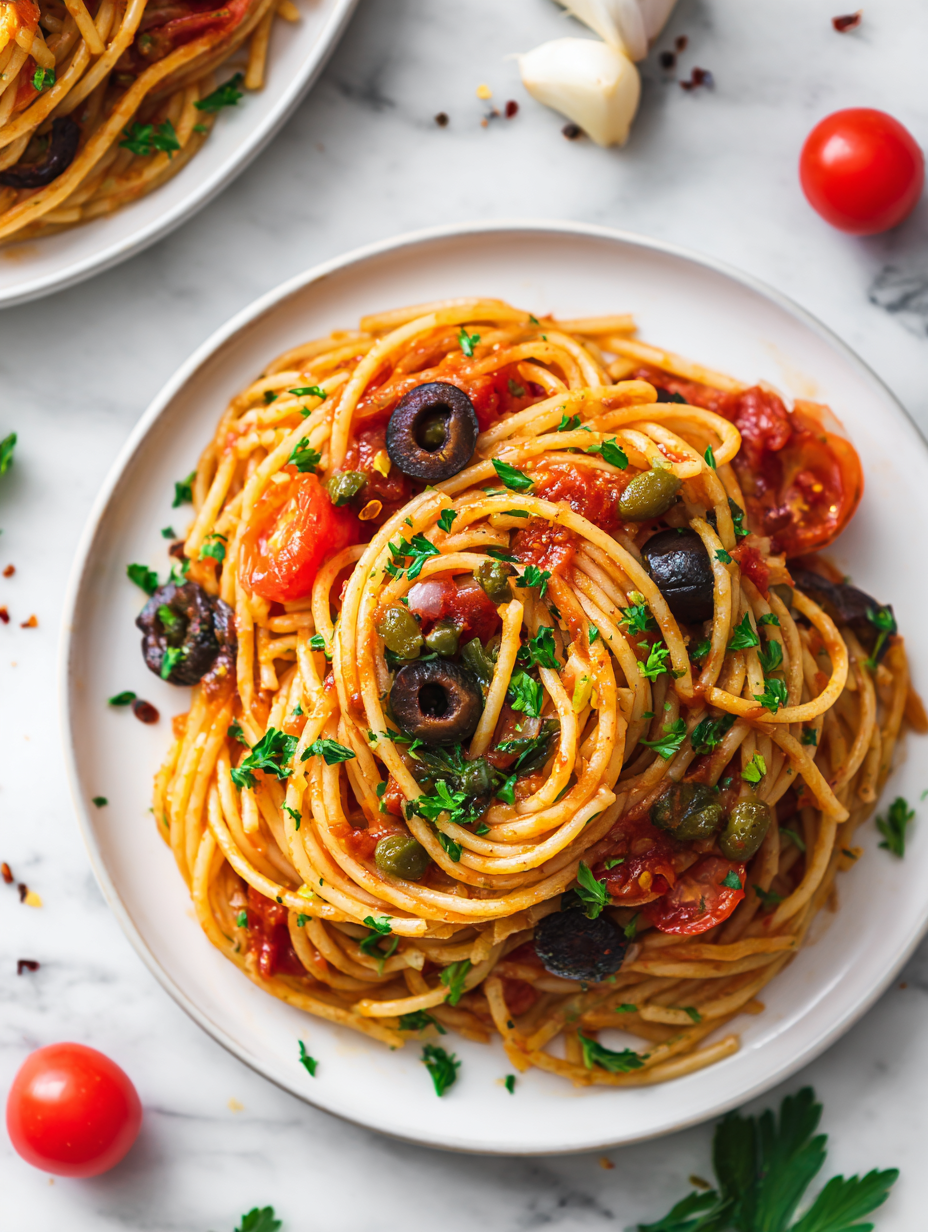
Vegan Puttanesca
Ingredients
Equipment
Method
- Boil a large pot of salted water and cook the pasta until just al dente, about 9-11 minutes. Drain and set aside, reserving a splash of pasta water.
- While the pasta cooks, heat olive oil in a large skillet over medium-high heat until shimmering and fragrant, about 1 minute.
- Add the crushed garlic and sauté until golden and aromatic, about 30 seconds. Stir constantly to prevent burning and watch for a fragrant, nutty smell.
- Pour in the fire-roasted crushed tomatoes, stirring well. Let the sauce simmer gently for about 5 minutes until it thickens slightly and develops a smoky aroma.
- Stir in the sliced olives and rinsed capers, cooking for another 2 minutes until they soften slightly and release their briny flavors into the sauce.
- Add red pepper flakes and dried oregano, stirring for 30 seconds until spices bloom and fill the kitchen with a spicy, fragrant aroma.
- Toss the cooked pasta into the skillet, adding a splash of reserved pasta water if needed to loosen the sauce. Stir well to coat the noodles evenly with the flavorful sauce.
- Fold in torn fresh basil, allowing its aromatic oils to infuse the dish. Cook for another minute to meld flavors and heat through.
- Remove from heat, plate the pasta, and garnish with extra basil or olives if desired. Finish with a drizzle of olive oil for extra shine and richness.
Pro tips for vegan Puttanesca
- Bold garlic: Crush garlic just before adding to release maximum aroma—skip pre-mincing to keep it fresh and pungent.
- Sizzle in stages: Add garlic when oil is shimmering, not smoking—this prevents bitterness and ensures golden color.
- Sauce reduction: Let the tomato mixture simmer until it thickens slightly and deepens in color—about 5 minutes—so it clings to pasta better.
- Olive slicing: Slice olives thinly to evenly distribute their briny flavor and release their oils into the sauce.
- Spice bloom: Toast red pepper flakes with oregano for 30 seconds—this awakens their spicy aroma and enhances heat without burning.
- Pasta water: Reserve a splash of pasta water before draining—use it to loosen the sauce and help it cling to noodles beautifully.
- Finish with basil: Tear fresh basil right before serving—its volatile oils will release maximum aroma when added last.
Common mistakes and how to fix them
- FORGOT to check oil temperature → Oil wasn’t hot enough, lower heat slightly.
- DUMPED ingredients too early → Wait until garlic is fragrant before adding tomatoes.
- OVER-TORCHED the sauce → Reduce heat if sauce begins to darken or smell burnt.
- SKIPPED rinsing capers → Rinse capers to avoid an overly salty dish.
Quick fixes and pantry swaps
- If sauce is too thick, splash in hot pasta water to loosen it gently.
- When olives seem dull, add a squeeze of lemon for a bright contrast.
- Splash extra olive oil if the sauce looks too dry and clings to the pasta.
- Patch over-salted sauce with a small splash of coconut milk or plant-based cream.
- Shield delicate basil from high heat to keep its vibrant aroma intact.
Prep, store, and reheat tips
- Prep ingredients like chopping garlic, slicing olives, and measuring capers a day ahead to save time—your kitchen smells of garlic, and olives are ready to go.
- Store the prepared ingredients in airtight containers in the fridge for up to 24 hours; flavors will deepen slightly overnight.
- Cook the sauce ahead of time and refrigerate for up to 2 days. Reheat gently on low heat, smelling for that familiar smoky aroma and watching for bubbling edges.
- Reheat pasta separately, adding a splash of water or plant-based milk to loosen the sauce as it warms—listen for a gentle crackle and smell that spicy tomato scent.
- Avoid freezing the entire dish; the texture of the pasta and olives may change, but the sauce can be frozen for up to 1 month if needed. Thaw in fridge overnight and reheat slowly.
Top questions about vegan Puttanesca
1. How do I choose good olives?
Look for olives that are firm, shiny, and free of wrinkles. They should smell briny and slightly fruity, not sour or off. Pitted olives save time and prevent biting into a pit by mistake.
2. Which canned tomatoes are best?
Use fire-roasted canned tomatoes for a smoky flavor, but regular crushed tomatoes work fine if you prefer a fresher, brighter taste. Look for rich, vibrant color and avoid watery varieties.
3. Do I need to rinse capers?
Rinse capers thoroughly to remove excess salt, especially if you want a milder, less salty dish. Keep some in the brine if you prefer a punchier, salt-forward flavor.
4. What kind of olive oil works best?
Use extra virgin olive oil for the best aroma and richness, but a milder, light-tasting oil can be used if you want a subtler flavor. The oil should smell fresh and slightly peppery.
5. How spicy should the dish be?
Adjust the red pepper flakes to your spice tolerance. For more heat, add a pinch more; for less, reduce or skip. The flakes give a gentle warmth and a subtle spicy aroma.
6. Can I use dried basil?
Fresh basil gives a sweet, aromatic punch that brightens the dish. Tear it just before adding to release volatiles. Dried basil can be used but will lack vibrancy.
7. How do I cook perfect pasta?
Cook your pasta al dente, around 9-11 minutes for most types. It should have a slight bite, not mushy, and hold its shape when tossed with the sauce.
8. The sauce is too thick, what now?
If the sauce gets too thick, splash in a little reserved pasta water to loosen it. The starch in the water helps the sauce cling better and enhances flavor.
9. How do I reheat this dish?
Reheat leftovers gently on the stove over low heat. Add a splash of water or plant-based milk to revive the sauce and release the aroma of garlic and olives.
10. Why is this recipe good for weeknights?
This dish is perfect for a quick weeknight dinner. It comes together in about 20 minutes, filling the kitchen with smoky, savory aromas that make everyone eager to eat.
This vegan Puttanesca isn’t just a quick meal; it’s a reminder that the simplest ingredients can create something unexpectedly vibrant. When the garlic aroma hits your nose and the sauce coats the pasta with a glossy sheen, you know it’s a dish that satisfies on all levels.
It’s perfect for those busy nights when you want comfort without fuss, and it’s a dish I keep returning to for its bold, straightforward flavors. In a world full of complicated recipes, this one keeps things honest and real, right in your own kitchen.