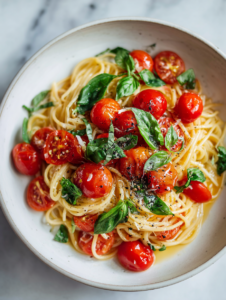
Orzo often gets overlooked as just a side or a filler, but I’ve come to see it as a blank canvas for bold, unexpected flavors. In this vegan twist, I lean into that charm—using it as a base for a dish that’s both comforting and vibrant, with a hint of nostalgic pasta nights but with a fresh, plant-based twist.
What I love about this recipe is how adaptable orzo is. It absorbs flavors like a sponge, yet retains a lovely, al dente bite that makes every forkful satisfying. Plus, it’s quick to cook and easy to toss with whatever colorful vegetables and zesty herbs I have on hand, making it perfect for busy weeknights or when I want something wholesome and lively.
Focusing on the overlooked charm of orzo as a comforting, versatile grain that adapts beautifully to bold, unexpected flavor combinations, especially in vegan cooking.
The story behind this recipe
- This recipe came from a lazy Sunday afternoon, when I found a bag of orzo lurking at the back of my pantry. I was craving something warm but didn’t want to fuss over complicated ingredients. Tossing in whatever vegetables I had, I realized how orzo can be unexpectedly comforting in a simple, plant-based dish that feels like a hug.
- It’s a reminder that sometimes, the best meals are born out of improvisation—no rules, just what’s available and what feels good. I love how the orzo soaks up flavors, transforming humble ingredients into something satisfying enough to make you pause and smile.
- heading: ‘The story behind this recipe’
Key Ingredients Breakdown
- Orzo: I love the slightly chewy bite it offers, but if you prefer more al dente, cook it just a minute less than usual, especially since it will soak up the flavors later.
- Vegetable broth: Using good-quality broth makes a big difference—look for one with rich, roasted veggie notes or simmer your own for an extra umami punch.
- Garlic: I mash and sauté garlic until it’s golden and fragrant—this gives the dish a warm, nutty aroma that fills the kitchen, but be careful not to burn it or it turns bitter.
- Cherry tomatoes: Their sweet, tangy burst adds brightness; if they’re not in season, a splash of lemon juice can mimic that fresh acidity.
- Fresh herbs: Parsley or basil brighten everything, but if you only have dried, add them at the end to preserve their aroma and avoid a musty taste.
- Olive oil: I drizzle it generously at the end for richness and shine—opt for a fruity, peppery variety to enhance the dish’s depth.
- Lemon zest: I find a quick zest splash lifts all the flavors with a bright, citrusy shimmer—don’t skip it, even a small amount makes a difference.
Spotlight on key ingredients
Orzo:
- I love its slightly chewy, al dente bite that absorbs flavors beautifully. When cooking, watch for a golden hue and a nutty aroma—if it turns too dark or smells burnt, reduce heat and stir constantly.
- Cherry tomatoes: Their burst of sweet, tangy juice adds brightness. During cooking, they soften and release vibrant color and aroma. If out of season, use sun-dried or roasted tomatoes for concentrated sweetness and depth.
Vegetable broth & Herbs:
- Vegetable broth: I prefer rich, roasted veggie notes that deepen the dish. When simmering, it should smell savory and umami-rich, and the liquid should be clear and flavorful. Use homemade or quality store-bought for best results.
- Fresh herbs: Parsley or basil provide a fragrant, bright finish. Fresh herbs release lively aroma when chopped and stirred in at the end. Dried herbs can be used but add them earlier, and use less to avoid mustiness.
Notes for ingredient swaps
- Broth: Vegetable broth is my go-to, but if you want a smoky depth, try mushroom broth—just watch the salt level.
- Olive Oil: Extra virgin olive oil is best for flavor, but a neutral oil like avocado works if you want less pronounced taste.
- Vegan Cheese: I sometimes add nutritional yeast for cheesy umami—skip if you prefer a more straightforward herb-forward flavor.
- Fresh Herbs: Parsley or basil brighten the dish, but dried herbs like oregano or thyme can stand in—add them at the end to preserve aroma.
- Cherry Tomatoes: Roasted or sun-dried tomatoes bring intense sweetness; in a pinch, a splash of lemon juice can mimic that tangy brightness.
- Vegan Protein: Tofu or tempeh can be sautéed and mixed in for extra protein—skip if you want a lighter, vegetable-forward dish.
- Lemon Zest: Use lemon zest for a fresh, citrusy shimmer—if unavailable, a splash of vinegar can add a similar brightness.
Equipment & Tools
- Large skillet or saucepan: For cooking the orzo and vegetables evenly.
- Wooden spoon: For stirring and preventing sticking.
- Small bowl: To pre-measure broth and seasonings.
- Ladle or measuring cup: To add broth gradually and control absorption.
Step-by-step guide to vegan orzo
- Gather your equipment: a large, deep skillet or saucepan (about 30cm diameter), a wooden spoon for stirring, and a small bowl for pre-measured ingredients.
- Bring 1.5 liters (6 cups) of vegetable broth to a gentle simmer over medium heat. Keep it warm but not boiling.
- In a large pan, heat 2 tablespoons of olive oil over medium heat (about 160°C/320°F). Add 2 minced garlic cloves, sauté for 30 seconds until fragrant and slightly golden—be careful not to burn it, or it will turn bitter.
- Add 1 cup of dry orzo to the pan. Stir well, coating the grains in oil. Cook, stirring often, until the orzo turns a light golden color, about 2 minutes. It should smell nutty and toasted.
- Pour in 1 cup of dry white wine or a splash of lemon juice if you prefer to skip alcohol. Stir until mostly absorbed, about 1 minute.
- Start adding the warm vegetable broth, about ½ cup at a time. Stir continuously, allowing each addition to be absorbed before adding more. This process should take about 20 minutes. The orzo should be tender but still have a slight bite (al dente).
- During cooking, stir in 1 cup of halved cherry tomatoes and 1 cup of chopped vegetables like zucchini or bell peppers. Cook until they soften slightly, about 3-4 minutes.
- Taste and adjust seasoning with salt, pepper, and a pinch of red pepper flakes if you like a little heat. Stir in a handful of chopped fresh herbs like parsley or basil at the end for bright flavor.
- Once the orzo is cooked and creamy, turn off the heat. Let it rest for 2 minutes to allow flavors to meld.
- Finish with a drizzle of extra virgin olive oil, a sprinkle of lemon zest, and a squeeze of lemon juice for brightness. Serve warm, garnished with more herbs if desired.
Let the dish rest for 2 minutes off the heat, then drizzle with olive oil, sprinkle with lemon zest and herbs. Serve immediately with extra herbs or a drizzle of olive oil for shine.
How to Know It’s Done
- The orzo is tender but still slightly firm to bite (al dente).
- The broth has been absorbed, and the mixture is creamy but not soupy.
- Vegetables are soft and fragrant, with a vibrant color and fresh aroma.

Vegan Lemon Herb Orzo
Ingredients
Equipment
Method
- Preheat a large saucepan over medium heat and add the olive oil. Once shimmering and fragrant, about 30 seconds, add the minced garlic and sauté until golden and aromatic, about 30 seconds more.
- Add the dry orzo to the pan, stirring constantly for about 2 minutes until it turns a light golden color and smells nutty. This toasting enhances its flavor and helps it absorb the broth better.
- Pour in a splash of white wine or a little lemon juice to deglaze the pan, stirring until mostly absorbed, about 1 minute. Then, begin adding the warm vegetable broth, about ½ cup at a time, stirring constantly and allowing each addition to be absorbed before adding the next. This slow process should take about 20 minutes, resulting in tender, al dente orzo that’s creamy and flavorful.
- During the cooking process, stir in the halved cherry tomatoes and chopped vegetables. Continue cooking until the vegetables soften and the tomatoes burst, about 3-4 minutes, infusing the dish with bright color and fresh flavor.
- Once the orzo is tender and the liquid has been mostly absorbed, turn off the heat. Stir in freshly chopped herbs, a generous pinch of salt and pepper, the lemon zest, and a squeeze of lemon juice for a bright, citrusy finish. Drizzle with a little extra virgin olive oil for shine and richness.
- Let the dish rest for 2 minutes off the heat to allow flavors to meld, then give it a gentle stir. Serve warm, garnished with additional herbs if desired, and enjoy the vibrant, comforting flavors of this vegan lemon herb orzo.
Pro tips for perfect vegan orzo
- Toast the orzo slightly before adding liquid to enhance its nutty aroma and deepen flavor.
- Stir the orzo frequently while toasting to prevent burning and ensure even color development.
- Use hot broth in small additions to keep the cooking process smooth and prevent the orzo from becoming mushy.
- When adding the broth, do so gradually and stir constantly—this helps create a creamy, cohesive dish.
- Finish with a drizzle of good-quality olive oil and lemon zest off heat for maximum shine and brightness.
- Keep an eye on the orzo near the end—test for al dente by biting; it should be tender but still slightly firm.
- Let the dish rest for 2 minutes after cooking—this allows flavors to meld and improves texture.
Common mistakes and how to fix them
- FORGOT to stir: Stir continuously during broth addition to prevent sticking and uneven cooking.
- DUMPED too much broth: Keep a close eye; too much makes the dish soupy, too little can dry out orzo.
- OVER-TORCHED orzo: Reduce heat if orzo turns dark or smells burnt; stir constantly to avoid sticking.
- SKIPPED resting time: Let the dish sit off heat for 2 minutes to meld flavors and prevent clumping.
Quick fixes and pantry swaps
- When sauce is too thick, splash in hot water or broth and stir until smooth.
- If orzo sticks together, rinse with warm water to loosen before reheating.
- Splash lemon juice when dish tastes flat; brightens flavors instantly.
- Patch over overcooked orzo by stirring in a splash of olive oil or plant-based milk.
- Shield from burning by lowering heat and stirring continuously during toasting.
Prep, store, and reheat tips
- Pre-chop vegetables like tomatoes and herbs to save time during cooking; keep in airtight containers in the fridge for up to 24 hours, where they’ll retain fresh flavor and bright aroma.
- Cook the orzo ahead of time, then cool quickly and store in an airtight container for up to 2 days. Reheat gently with a splash of broth or water until steaming and tender—look for a warm, fragrant aroma and slightly al dente texture.
- Prepare the broth and seasonings in advance. Keep refrigerated for up to 3 days or frozen for up to 1 month. Reheat until hot, smelling savory and rich before mixing with cooked orzo.
- Leftovers taste even better the next day—the flavors deepen and mingle more. Reheat on the stovetop over medium heat, stirring often until steaming and fragrant, about 3-5 minutes, avoiding overcooking the orzo to prevent mushiness.
Top questions about vegan orzo
1. Can I use water instead of broth?
Use a good vegetable broth to boost flavor and richness. It’s the base of the dish’s depth.
2. Can I make this without broth?
Absolutely, but you might need to add a splash of soy sauce or miso to compensate for umami.
3. What if I don’t have vegetable broth?
Yes, just add a pinch of salt and a splash of olive oil to keep it flavorful and moist.
4. Can I use a different grain instead of orzo?
Yes, you can swap in gluten-free orzo or even cooked pearl couscous for a similar texture.
5. How do I keep herbs fresh and flavorful in the dish?
Stir in fresh herbs at the end to keep their bright aroma; dried herbs go in earlier during cooking.
6. How do I know when the orzo is cooked properly?
Cook the orzo until just tender and slightly firm to the bite, about 8-10 minutes, then taste test.
7. Can I add lemon for extra flavor?
Add lemon zest or a splash of lemon juice right before serving for a fresh, zesty lift.
8. Can I make this with added protein?
Yes, adding sautéed vegetables, tofu, or chickpeas can boost protein and add more texture.
9. How do I reheat leftovers without losing texture?
Yes, reheat gently on the stove with a splash of broth or water until steaming and fragrant.
10. What if my orzo looks dry after reheating?
Stir in a bit more olive oil or lemon juice if the dish feels dry or dull after reheating.
This dish feels like a quiet victory—simple, honest, and deeply satisfying, especially when you need something nourishing without fuss. It’s a reminder that sometimes, overlooked ingredients like orzo can surprise you, carrying flavors and comfort in every bite.
In a world rushing towards complex, this recipe offers a gentle, flavorful pause—something to turn to when you want wholesome, plant-based comfort that’s easy to make and truly memorable. It’s not fancy, just real food, done well.